Euclid telescope reveals stunning new images of millions of distant galaxies
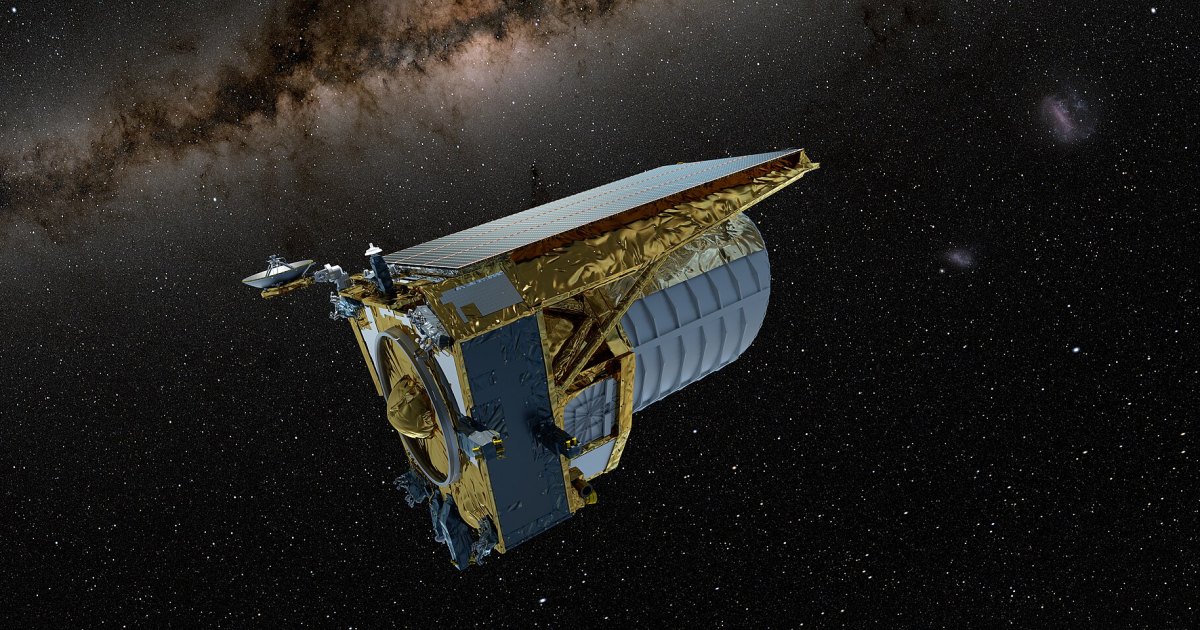
The scientific community has reached a significant milestone in space exploration following the release of an expansive collection of images captured by the Euclid telescope. This initial major data drop provides a vast look into the deep reaches of space, offering researchers and the public alike a glimpse into the structure and distribution of hundreds of millions of celestial systems. By mapping such a massive portion of the sky, the mission aims to deepen our collective understanding of the universe’s complex architecture.
A massive cosmic survey
The data set represents a monumental achievement in observational astronomy, encompassing imagery of roughly 900 million galaxies. These observations are not merely static pictures; they serve as a foundational resource for scientists studying how galaxies are organized and how they evolve over immense timescales. The sheer volume of information contained within this release allows for unprecedented statistical analysis of cosmic structures, providing a clearer picture of the vast, interconnected web that defines the observable universe.
Advancing astronomical research
By capturing such high-resolution imagery, the telescope enables astronomers to examine the characteristics of distant objects with greater precision than previously possible. The data is expected to facilitate a wide range of studies, from the formation of individual star systems to the broader patterns of galaxy clusters. This release marks the beginning of a long-term effort to map the heavens in high detail, ensuring that the scientific community has access to a robust library of information for years to come. The accessibility of these findings is a key component of the mission, encouraging collaborative efforts among researchers worldwide to interpret the complex data provided by the observatory.
Understanding the wider universe
The implications of this data extend to the fundamental questions regarding the nature of space and the physical laws that govern it. By observing such a large sample size of galaxies, the mission provides the necessary evidence to test existing models of cosmic expansion and the distribution of matter. As researchers begin to process these images, the focus remains on identifying patterns that could reveal hidden aspects of the cosmos. This initial release is just the first step in a multi-year endeavor, with future data expected to further expand our knowledge of the celestial landscape and the forces that have shaped it since the dawn of time.