Zelda Ocarina of Time remake achieves five million sales
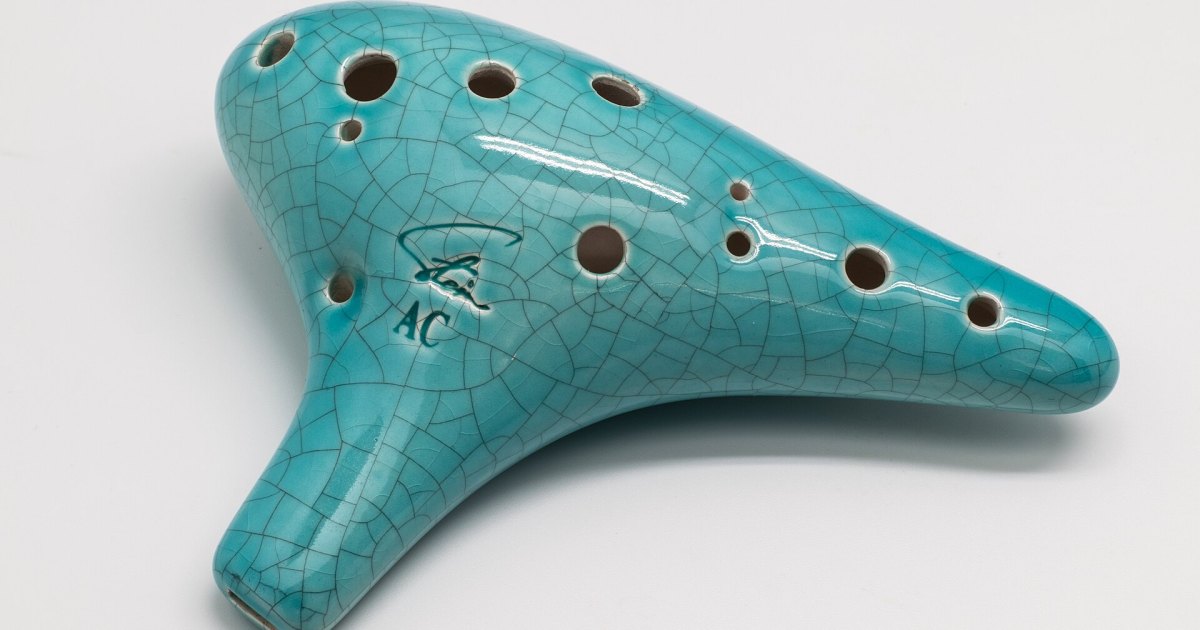
The gaming industry has witnessed a notable commercial milestone with the release of the latest remake of the iconic title, Zelda: Ocarina of Time. Within a span of only four days following its market debut, the game has successfully moved five million units. This rapid sales performance highlights the enduring popularity of the franchise and the strong consumer interest in modernized versions of classic gaming experiences.
Historical context of the franchise
While the recent sales figures demonstrate a robust market presence, discussions regarding the long-term commercial trajectory of the series have emerged among those previously involved in its development. Former leadership figures from the company have pointed to a distinct shift in the brand’s reach over the decades. According to these industry veterans, the series experienced a different scale of commercial success prior to the release of Breath of the Wild. They characterized the earlier eras of the franchise as having sold in a manner that felt significantly more modest compared to the massive global reach achieved by more contemporary entries.
Evolution of market performance
The contrast between the performance of earlier iterations and the current remake underscores a broader trend in how the series has been received by the public. For years, the franchise maintained a dedicated following, yet it occupied a different tier of the market. The transition toward the modern era of the series marked a turning point where the brand moved from being a highly regarded staple of the industry to a global phenomenon with widespread appeal. This shift in momentum is often cited by those who oversaw the development of earlier titles as the moment the series moved beyond its traditional boundaries.
Impact of modernized classics
The success of the Ocarina of Time remake serves as a bridge between these two distinct phases of the franchise’s history. By combining the foundational elements that established the series’ reputation with updated technology and accessibility, the title has managed to capture both long-time fans and new audiences. The achievement of five million sales in such a short window suggests that the appetite for these classic experiences remains high, provided they are presented in a way that resonates with current gaming standards. As the series continues to evolve, the performance of such remakes provides a clear indicator of how historical value can be successfully leveraged to drive modern commercial results. The ongoing discussion among former leads serves to contextualize this success, reminding observers that the current scale of the franchise is the result of a long-term evolution in both design philosophy and market positioning.