The public scrutiny surrounding Russell Brand
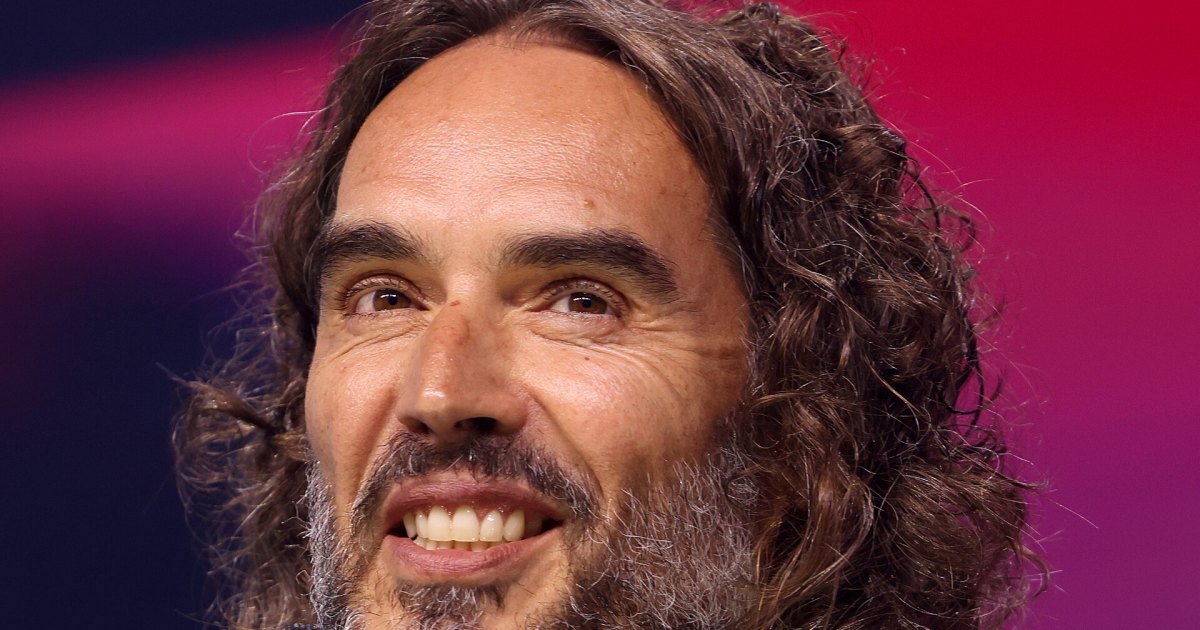
The entertainment industry is currently navigating the implications of serious allegations directed toward Russell Brand. These claims have fundamentally altered the public perception of the performer, leading to a re-evaluation of his career trajectory and the influence he held within various media spheres. As the discourse evolves, many are examining how his public persona may have obscured underlying patterns of behavior that are now coming to light.
The shift in public perception
For years, Brand maintained a high-profile presence across television, film, and digital platforms. His transition from a mainstream comedian to a vocal social commentator allowed him to cultivate a dedicated following. However, the recent emergence of detailed accounts regarding his past conduct has created a significant disconnect between his cultivated image and the experiences shared by those who have come forward. This shift has prompted a broader conversation about accountability for public figures who have long operated with substantial influence and limited oversight.
Examining institutional responsibility
The scrutiny surrounding these events extends beyond the individual, raising questions about the systems that enabled his rise to prominence. Observers are now analyzing the role of media organizations and production entities in fostering environments where such behavior could persist without immediate consequence. The focus is increasingly on whether institutional safeguards were ignored or if the desire for commercial success outweighed the necessity for ethical standards. This systemic critique suggests that the issues surrounding the entertainer are indicative of larger, unresolved problems within the entertainment landscape.
Future implications for the industry
As the situation continues to develop, the long-term impact on the entertainment sector remains uncertain. There is a growing demand for transparency and a more rigorous vetting process for individuals who hold significant sway over public opinion. The case serves as a catalyst for ongoing debates regarding power dynamics and the protection of individuals within the industry. Whether this leads to concrete policy changes or remains a subject of public debate, it is clear that the standard for public accountability has been permanently elevated. The industry is now tasked with addressing these concerns to restore public trust and ensure that future practices align with contemporary expectations for conduct and professional responsibility.