Independent Talent Group ends professional relationship with David Walliams
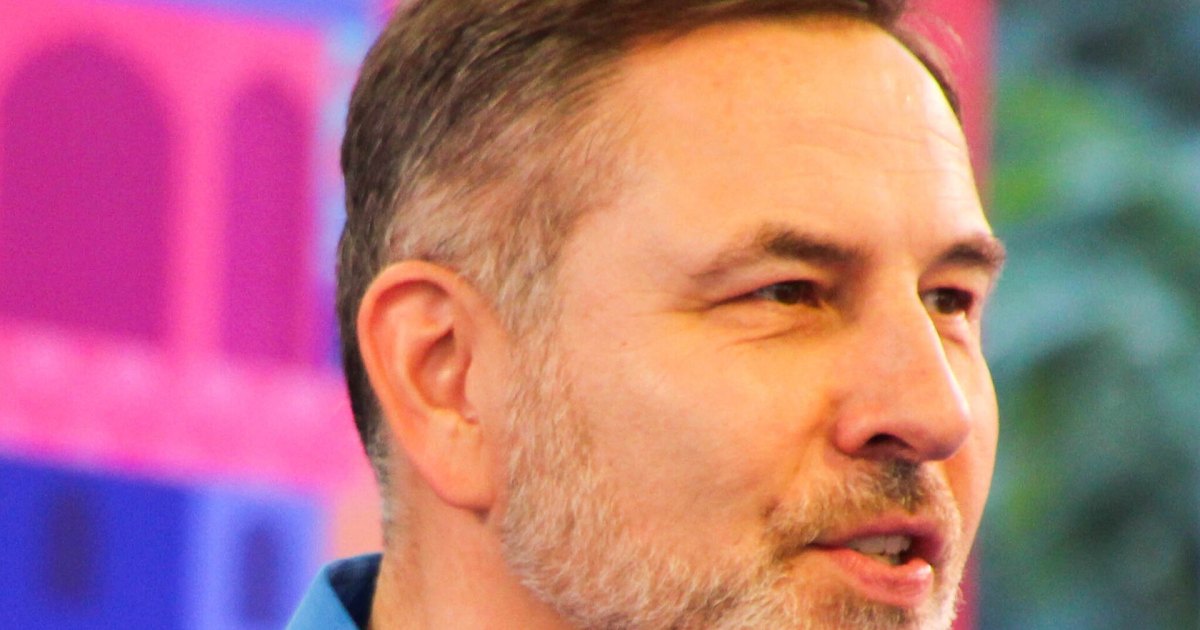
The entertainment industry is witnessing a significant shift in professional representation following recent developments involving high-profile figures. Independent Talent Group has confirmed that it has concluded its working relationship with David Walliams. This decision follows the emergence of allegations concerning inappropriate behavior and misconduct attributed to the performer.
Professional representation and agency standards
The move to terminate the contract highlights the increasing pressure on talent agencies to maintain rigorous ethical standards when managing their rosters. By distancing itself from the individual, the agency is taking a definitive stance on the expectations it holds for those it represents. Such actions are becoming more common as organizations face scrutiny regarding the conduct of their clients and the potential impact on their corporate reputation. The decision by Independent Talent Group reflects a broader movement within the creative sector to prioritize accountability over long-standing professional partnerships.
Impact of allegations on career trajectories
The allegations brought against the performer have created a challenging environment for his ongoing projects and future career prospects. When an agency chooses to drop a client in response to claims of misconduct, it often signals a cooling of professional support across the wider industry. This can lead to a domino effect, where other production houses, networks, and collaborators re-evaluate their own associations to mitigate risk. For the individual involved, the loss of representation is a critical juncture that frequently results in a period of professional isolation while the legal or reputational implications of the claims are addressed.
Industry accountability and future implications
The broader entertainment landscape continues to grapple with the consequences of behavioral misconduct. As public and industry expectations evolve, the threshold for acceptable conduct has been significantly raised. Organizations are now expected to act swiftly when serious claims are made, ensuring that their internal policies align with contemporary values. This incident serves as a reminder that professional standing is inherently tied to personal conduct. As the situation develops, the focus will likely remain on how the industry manages these departures and whether such measures are sufficient to foster a safer and more transparent working environment for all participants in the creative arts. The departure of a prominent figure from a major agency underscores the fragility of professional reputations in the modern era, where accountability is increasingly demanded by both the public and corporate entities.