The final journey of the SS United States to the Gulf floor
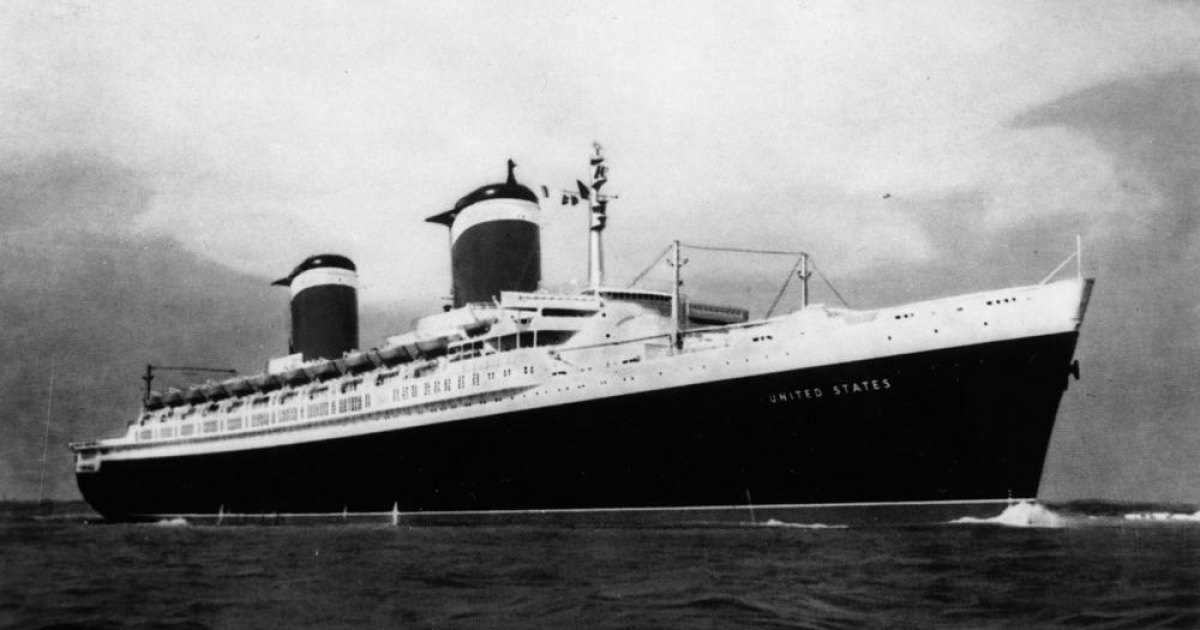
The maritime world marks the end of an era as the legendary vessel known as the SS United States concludes its long and storied existence. After decades of service and anticipation regarding its ultimate fate, the ship has been intentionally submerged, settling permanently on the floor of the Gulf of Mexico. This event serves as the final chapter for a craft that once stood as a symbol of engineering prowess and transatlantic travel.
A legacy of transatlantic travel
For many years, the vessel represented the pinnacle of naval architecture and speed. Throughout its active life, it carried countless passengers across the ocean, setting records and establishing a reputation for reliability and grace. The ship was widely recognized for its distinctive silhouette and its role in connecting distant shores during a transformative period in global transportation. As time passed, the vessel transitioned from a working liner to a stationary relic, sparking numerous debates about its preservation and future utility. Despite various proposals to repurpose the structure, the logistical and financial challenges proved insurmountable, leading to the decision to prepare the ship for its final deployment.
The process of final deployment
The transition from a floating landmark to an artificial reef required meticulous planning and coordination. Environmental regulations and safety standards were strictly followed to ensure that the sinking process would not harm the surrounding marine ecosystem. Specialized teams worked to strip the interior of materials that could pose a risk to the underwater environment, ensuring that the hull would eventually serve as a stable foundation for marine life. This method of disposal is often chosen for large vessels to provide new habitats for fish and other aquatic species, effectively giving the ship a secondary purpose beneath the waves. The operation was executed with precision, allowing the vessel to descend in a controlled manner to its designated location.
Impact on the marine environment
By resting on the seabed, the former ocean liner is expected to undergo a gradual transformation. Over the coming years, the structure will likely become colonized by various organisms, turning the steel remains into a thriving underwater ecosystem. This process of artificial reef creation is a common practice that balances the historical significance of decommissioned ships with the ecological benefits of providing new surfaces for marine growth. While the surface presence of the ship has now vanished, its physical form will remain a fixture of the Gulf floor. The conclusion of this final voyage ensures that the memory of the vessel is preserved in a way that contributes to the health and biodiversity of the ocean, marking a quiet but significant end to its long history on the water.