Eleven potential candidates for the future leadership of Nvidia
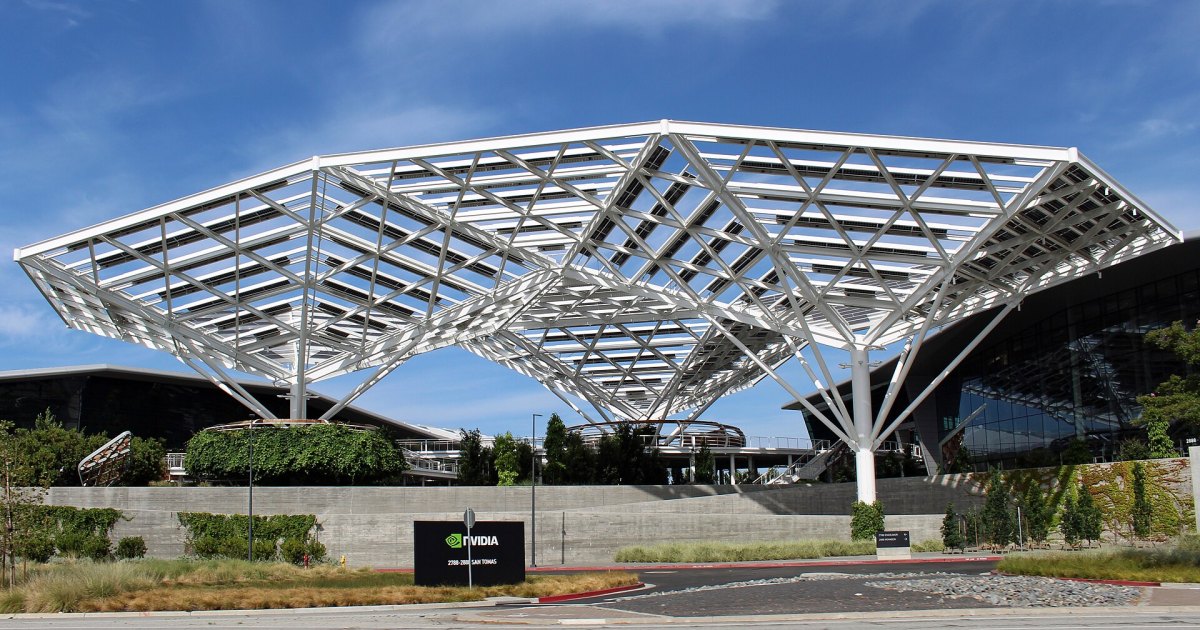
The question of who might eventually lead Nvidia has become a significant topic of conversation within the global technology industry. Given the company’s central role in the development of artificial intelligence and high-performance computing, the eventual transition of leadership is viewed as a pivotal moment for the broader market. While there is no immediate indication of a change, the search for future talent and the grooming of potential successors remain a standard part of long-term corporate strategy for major organizations.
Identifying potential leadership candidates
The list of eleven individuals currently under observation represents a diverse group of professionals who possess the technical expertise and strategic vision required to navigate the complexities of the semiconductor industry. These candidates are being evaluated based on their track records in managing large-scale operations, their deep understanding of hardware and software integration, and their ability to maintain the rapid pace of innovation that has come to define the company. Observers are looking at both internal executives who have grown within the corporate culture and external leaders who have demonstrated success in related high-tech fields.
Strategic importance of the Succession process
Succession planning at a company of this scale is not merely about finding a replacement for a single individual; it is about ensuring the continuity of a complex ecosystem. The next leader will need to manage relationships with global partners, oversee massive research and development budgets, and maintain the company’s competitive edge against emerging rivals. The eleven names being tracked are those who have shown the capacity to balance these competing demands while keeping the organization focused on its core mission. The process is expected to be thorough, emphasizing the need for a leader who can sustain the momentum generated over the past several decades.
Market expectations and future outlook
Investors and industry analysts are paying close attention to how these potential leaders align with the company’s long-term roadmap. The transition, whenever it may occur, will likely be scrutinized for its potential impact on stock performance, product development cycles, and market positioning. By identifying these eleven individuals now, stakeholders are attempting to gauge the depth of the leadership bench and the stability of the organization’s future. The focus remains on finding a candidate who can uphold the standards of technical excellence while adapting to the rapidly shifting landscape of global technology. As the industry continues to evolve, the ability to identify and nurture such talent will be a defining characteristic of the company’s ongoing success.