Democrats criticize RFK Jr. after measles status loss
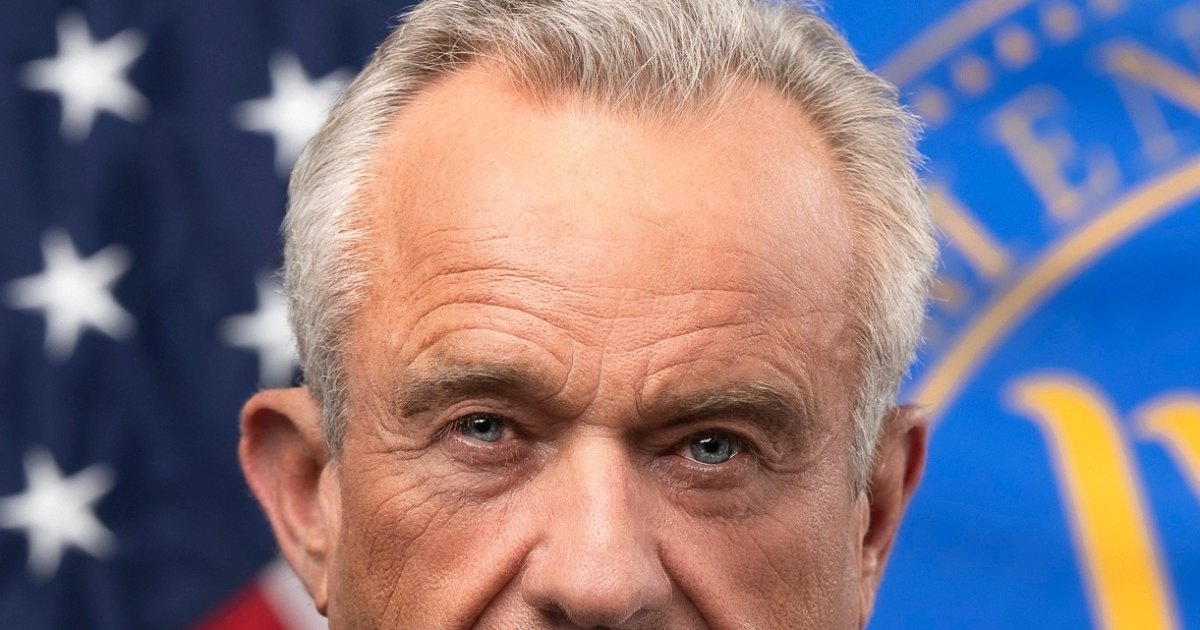
The United States has officially lost its long-held measles elimination status, a development that has triggered a wave of intense political reaction. Democratic members of Congress have directed significant criticism at Robert F. Kennedy Jr. in the wake of this public health setback, linking his past rhetoric and influence to the current situation regarding vaccine hesitancy and disease prevention.
The impact of lost elimination status
Measles elimination status is a designation provided by health authorities to countries that have successfully interrupted the transmission of the virus for a period of at least twelve months. The loss of this status indicates that the virus is once again circulating within the population, posing a renewed threat to public health. This shift is widely attributed to gaps in immunization coverage, which allow the highly contagious disease to gain a foothold in communities where vaccination rates have fallen below the threshold required for herd immunity.
Political response to health trends
Democratic officials have pointed to the public discourse surrounding immunization as a contributing factor to the decline in vaccine uptake. Robert F. Kennedy Jr., who has frequently questioned the safety and efficacy of various vaccines, has become a central figure in this debate. Critics within the Democratic party argue that his long-standing efforts to cast doubt on established medical consensus have undermined public confidence in immunization programs. By amplifying skepticism, these lawmakers contend that his actions have directly contributed to the environment that allowed the virus to return to the country.
Future public health challenges
The loss of elimination status necessitates a robust response from public health agencies to prevent further outbreaks and restore community protection. Health experts emphasize that the primary strategy for regaining this status involves aggressive outreach to improve vaccination rates across all demographics. This effort faces significant hurdles, as public health officials must now contend with a complex information landscape where misinformation regarding medical interventions can spread rapidly.
The political friction surrounding this issue highlights the growing divide over how the nation should manage infectious disease prevention. As the conversation continues, the focus remains on whether public health initiatives can overcome the skepticism that has hindered recent vaccination efforts. The path forward will likely involve renewed legislative and community-based campaigns to emphasize the importance of immunization, while simultaneously addressing the influence of prominent figures who continue to challenge the scientific consensus on vaccine safety. The situation serves as a stark reminder of the fragile nature of public health achievements when immunization coverage is not maintained at high levels.