SpaceX Starship completes orbital flight and returns home
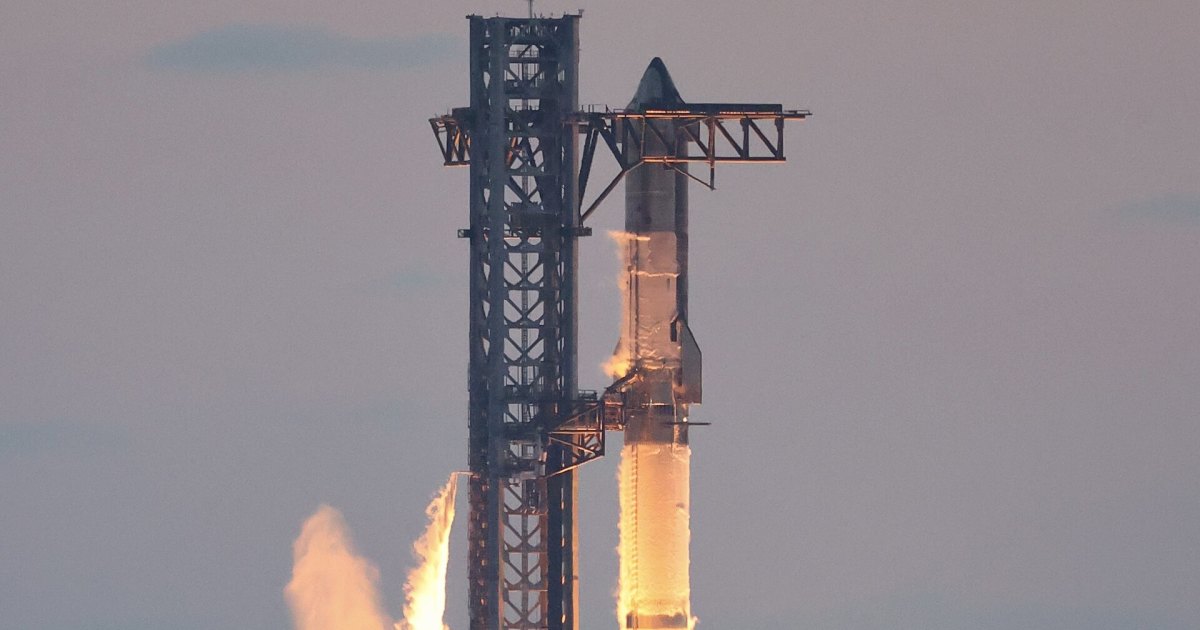
The aerospace sector witnessed a major technical achievement as the Starship vehicle successfully concluded an orbital flight and returned to its designated launch site. This event represents a notable advancement in the ongoing testing and development efforts aimed at creating a fully reusable transportation system capable of reaching orbit and beyond. The ability to return the massive craft to the launch pad is a central component of the company’s long-term strategy to increase flight frequency while reducing the costs associated with space exploration.
Milestones in orbital flight testing
The recent mission involved the spacecraft reaching orbit before executing a controlled descent back to the launch facility. Achieving this level of precision during the return phase is critical for the future of the program, as it demonstrates the control systems necessary for rapid turnaround times. By successfully navigating the transition from orbital velocity to a controlled landing, the flight team has validated key aspects of the vehicle’s design. This performance provides essential data that will inform future iterations of the hardware and software systems currently being refined for long-duration missions.
Advancements in reusable launch technology
The primary objective of this development program is to perfect a system that can be reused with minimal refurbishment. The return to the launch pad serves as a practical demonstration of the vehicle’s capability to land accurately, which is a prerequisite for the operational goals set by the firm. Unlike traditional expendable rockets that are discarded after a single use, this approach focuses on the rapid recovery of the flight hardware. The successful execution of this maneuver underscores the progress made in stabilizing the craft during the final stages of its atmospheric entry and landing sequence.
Future implications for space exploration
Looking ahead, the successful recovery of the spacecraft is expected to accelerate the testing schedule for subsequent missions. The company intends to utilize this data to expand the flight envelope and increase the payload capacity of future launches. By proving that the vehicle can reliably return to its point of origin, the program moves closer to its ultimate goal of supporting a wide range of orbital and deep-space objectives. The focus will now shift toward analyzing the performance metrics gathered during the flight to ensure the continued reliability of the launch and recovery infrastructure. This achievement serves as a foundation for upcoming operations, marking a transition from experimental testing toward more frequent and complex space flight missions.