Gadi Eisenkot seeks rival support to form new government
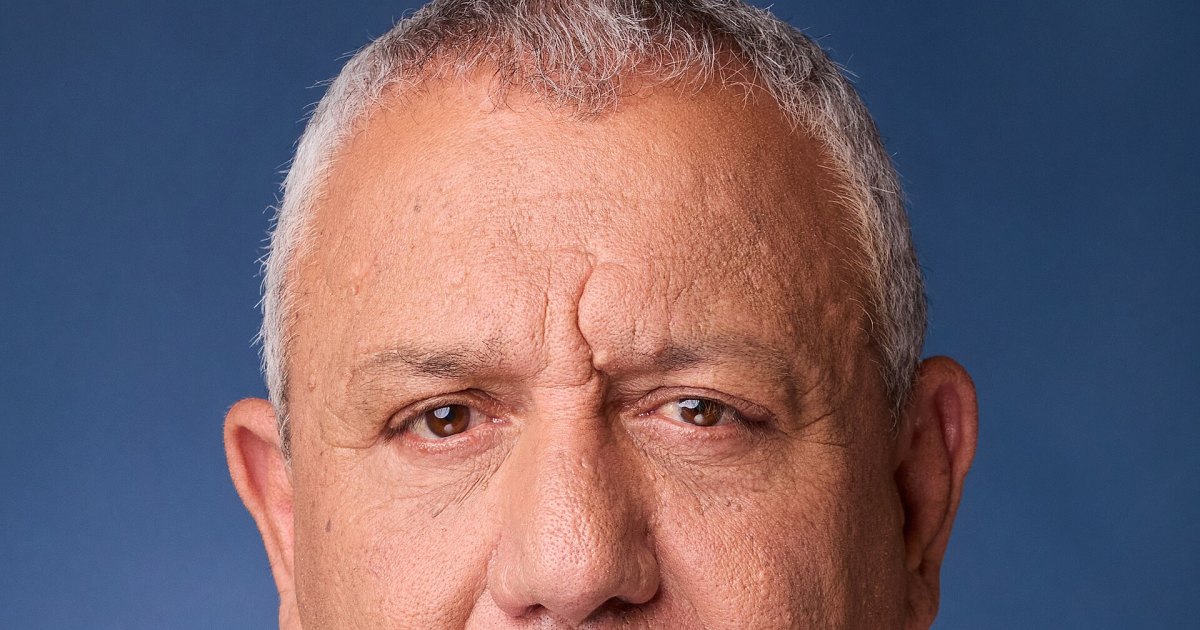
Former military chief Gadi Eisenkot officially began the process of forming a new government on Sunday after receiving a mandate from President Isaac Herzog. Eisenkot, 66, leader of the Yashar party, has been granted 28 days to secure a parliamentary majority, a task he described as an effort to address a historic national crisis. During a ceremony at the presidential office, he characterized the current political atmosphere as a state of emergency, warning that the country is nearing a point of no return.
Challenges in building a coalition
Eisenkot faces a complex path to the premiership, as his opposition bloc holds 48 seats in the 120-member parliament, while the camp led by the incumbent prime minister secured 53. To reach the required 61-seat threshold, Eisenkot must navigate three difficult options: a power-sharing arrangement with the incumbent, securing support from Arab-led parties, or forming an agreement with ultra-Orthodox factions. The latter group maintains a firm demand for military service exemptions, a policy Eisenkot and his partners have campaigned to end.
The inclusion of Arab-led parties remains particularly contentious. While these parties provided endorsements during consultations with the president, Eisenkot has set strict conditions for their participation, including the formal recognition of the state as Jewish and the classification of Hamas as a terrorist organization. Internal resistance persists within his own bloc, as the Yisrael Beiteinu party has explicitly stated it will not join a coalition that includes Arab-led factions.
Diplomatic and domestic pressures
The effort to form a government occurs against a backdrop of increasing international isolation. Eisenkot noted that even traditional strategic allies are reassessing their relationships with the country, a situation he attributes to the policies of the current administration. This diplomatic strain is compounded by domestic instability, as the government attempts to address security concerns and internal polarization.
Eisenkot has pledged to address extremist activity in the West Bank, labeling recent violence by settlers against Palestinians as terror. His background as military chief of staff from 2015 to 2019 informs his approach to security, including his past development of the Dahiya doctrine, which emphasizes the use of significant force against infrastructure in areas controlled by hostile movements. Despite his firm stance on security, he remains opposed to the creation of a Palestinian state.
The path forward for the mandate
The incumbent prime minister has called for a national unity government, though the viability of such a partnership remains uncertain given the deep-seated rivalry between the two figures. The incumbent has also alleged that the recent election was compromised, though the Central Elections Committee and the president have affirmed the validity of the results. The Shin Bet security agency is currently conducting an investigation into potential foreign interference, though officials indicate that any findings are unlikely to alter the election outcome.
If Eisenkot fails to secure the necessary 61 votes within his initial 28-day window, the president has the authority to grant a 14-day extension. Should these efforts ultimately prove unsuccessful, the country could face the prospect of fresh elections, following a period that saw five separate votes between 2019 and 2022.