Wildlife import poses significant health threat
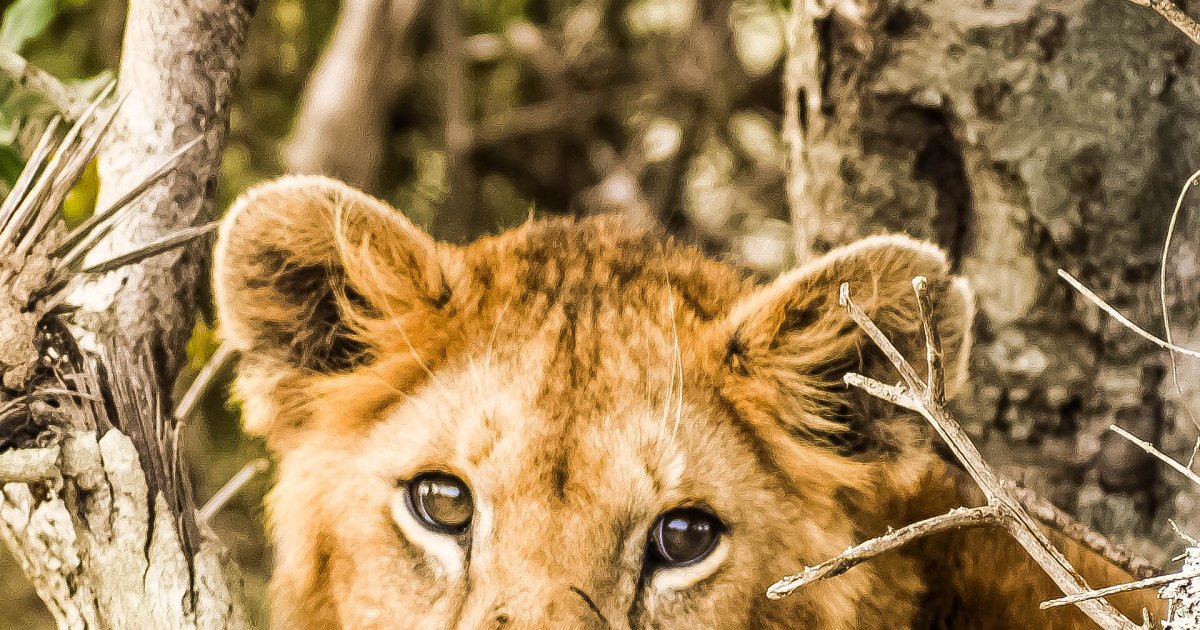
Recent health analyses highlight a direct connection between the international movement of wild animals and escalating risks of zoonotic disease outbreaks. Authorities emphasize the need for enhanced oversight to protect populations from emerging biological threats.
Understanding zoonotic transmission risks
The movement of exotic fauna across national borders creates complex challenges for global health networks. When species are removed from natural habitats and transported internationally, opportunities multiply for pathogens to cross biological barriers. Pathogens that normally circulate within specific animal populations can encounter new hosts, including humans living in proximity to trade hubs and distribution centers.
Medical researchers note that close contact during handling, housing, and commercial processing accelerates microbial adaptation. Without rigorous containment protocols, these biological agents can spread rapidly through interconnected transportation networks. The globalization of animal markets thus establishes pathways for localized infections to evolve into broader public health emergencies.
Monitoring global trade channels
Regulatory agencies face ongoing hurdles in tracking the sheer volume of species entering commercial supply chains. Oversight mechanisms often struggle to keep pace with dynamic trade routes and clandestine transit methods. Inspectors must evaluate potential vectors without causing undue disruption to legal commerce, creating a delicate balance between economic activity and biological security.
Enhanced screening procedures at major entry points remain a focal point for preventative strategies. Experts advocate for comprehensive diagnostic protocols to identify unusual pathogens before specimens reach public markets or private facilities. Early detection serves as a primary defense against the escalation of infectious outbreaks, mitigating potential impacts on human populations worldwide.
Strengthening preventive health measures
Mitigating these biological risks requires coordinated action across multiple jurisdictions and administrative levels. Health organizations emphasize standardized quarantine protocols and transparent reporting frameworks to track potential contagion vectors effectively. Clear guidelines help veterinary and medical professionals respond swiftly when unusual illness patterns emerge among handled populations.
Public awareness campaigns further support preventive efforts by highlighting the hazards associated with unregulated fauna trade. Communities and commercial operators benefit from clear directives on safe handling practices and hygiene maintenance. By fostering proactive cooperation among international stakeholders, authorities aim to reduce the likelihood of future disease emergence linked to cross-border animal movement.