Public reports horseshoe crab poaching at Kranji Reservoir
Add Lettid as a preferred source on GoogleSee more of our stories in your Google results Arun Pillai
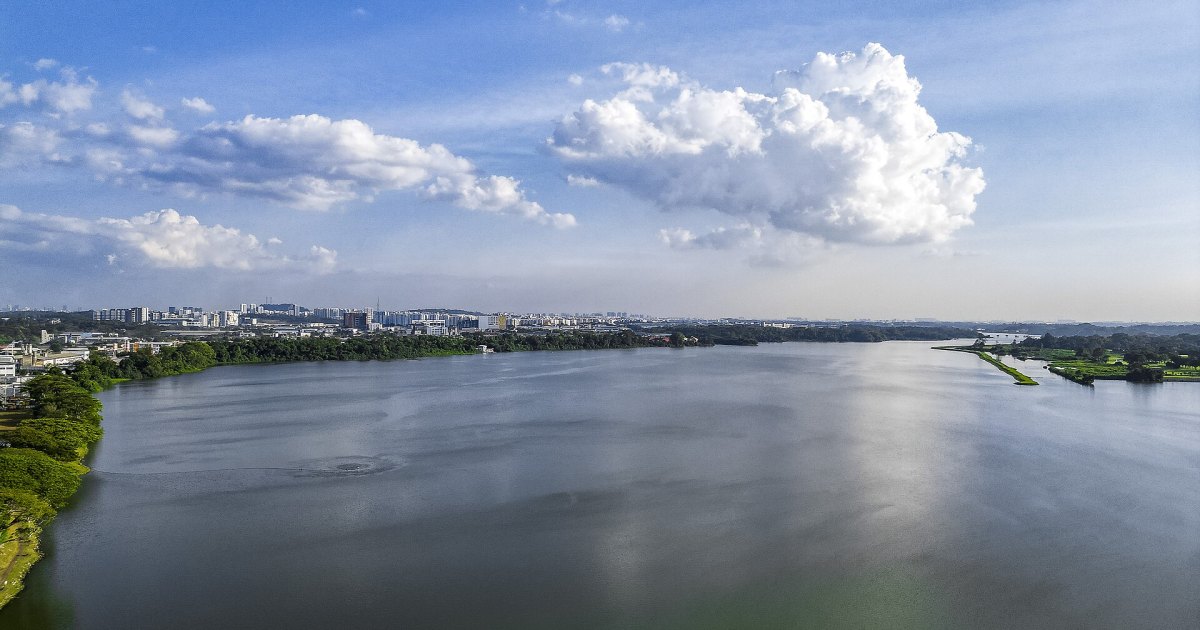
A resident reported the illegal capture of horseshoe crabs at Kranji Reservoir on 21 November 2026, raising concerns about the lack of enforcement against fishing activities in the restricted area. The individual, who identified himself as PH, observed multiple people using long nets to trap the marine animals near the reservoir dam while walking with his daughter. He documented the incident with photographs and video, claiming to have spotted at least four horseshoe crabs among the catch.
Following his report to the National Parks Board (NParks), the agency confirmed that officers were dispatched to the site after 4pm on the same day. The authorities instructed the individuals engaged in fishing to vacate the area. Despite the presence of “no fishing” signs and surveillance cameras, PH noted that he has frequently observed people using nets at this location during his weekly visits. While he attempted to intervene by asking some of the individuals to release the animals, only one person complied by returning them to the water.
The animals captured in the incident appear to be mangrove horseshoe crabs, one of two species native to Singapore. These creatures are primarily found in local wetland habitats such as the Mandai mangrove and the Sungei Buloh Wetland Reserve. In contrast, the coastal horseshoe crab is typically located along the shores of East Coast Park. Research from the National University of Singapore (NUS) indicates that the mangrove species tends to remain within a confined habitat throughout its life, making it particularly susceptible to local environmental disturbances.
Both species are currently listed as “vulnerable” in the Singapore Red Data Book. Habitat loss resulting from coastal development remains a primary threat to their survival, according to the Nature Society Singapore. While the International Union for Conservation of Nature (IUCN) classifies the species as “data deficient” globally, local researchers at the NUS Tropical Marine Science Institute have initiated efforts to track population numbers and distribution. This year, the institute called for public volunteers to report sightings and assist with field surveys along the coastlines to better understand the status of these animals.
Horseshoe crabs are biologically significant due to their blood, which contains a clotting enzyme used in medical industries for bacterial testing and the development of vaccines. The ongoing efforts by local conservation groups and academic institutions aim to establish action plans to protect these habitats and mitigate the impact of human interference on the local population.