Jensen Huang returns to Nvidia chief role
Add Lettid as a preferred source on GoogleSee more of our stories in your Google results Arun Pillai
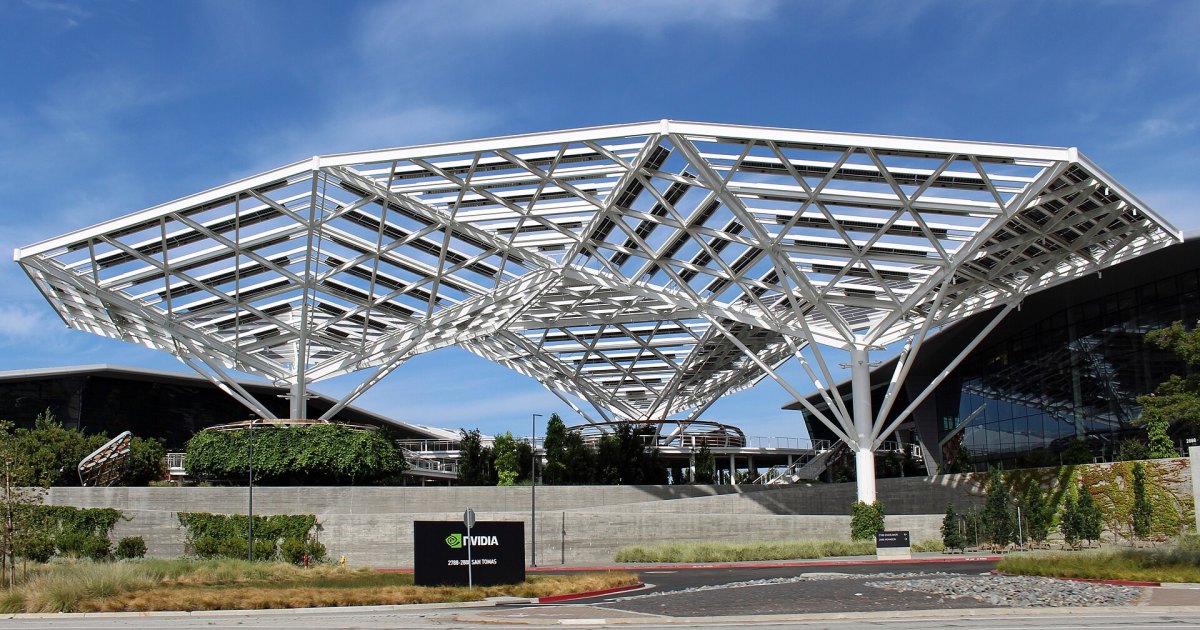
Jensen Huang returned to his position as chief executive officer of Nvidia on 23 November 2026, walking into the company’s Santa Clara headquarters to applause from employees. His reinstatement occurred less than two weeks after he resigned on 12 November 2026 following disclosures regarding personal relationships, including one with an executive at a Singapore-based client named Megaspeed that faced chip smuggling allegations, and a second relationship with a subordinate.
The reversal by the Nvidia board followed pressure from Donald Trump and Vice President JD Vance over the weekend, according to individuals familiar with the discussions. A group of Silicon Valley allies, including Uber founder Travis Kalanick and venture capitalists Gavin Baker, Brad Gerstner and Marc Andreessen, coordinated the lobbying effort to secure Huang’s return. Supporters argued to the administration that the founder was integral to the stability of the United States artificial intelligence sector and the broader economy.
Prior to the board’s decision, JD Vance held a 45-minute telephone call with Huang to discuss semiconductor export controls and dealings with Megaspeed. Trump subsequently spoke directly to the board in defence of Huang, prompting an about-face days after directors had ruled out a return. The board stated it was confident Huang posed no national security risk following input from senior levels of the United States government, though internal investigations remain active.
Despite gaining nearly US$1 trillion in market value following the announcement, Nvidia remains valued at about a fifth less than it was a month prior. The company and Huang face probes by the Federal Bureau of Investigation and the Securities and Exchange Commission, alongside congressional investigations. Tim Teter, Nvidia’s general counsel, and Huang have been summoned to appear before congressional hearings.
Board dynamics and corporate governance
The rapid reinstatement bypassed interim chief executive officer Colette Kress, who was kept out of the late-night board discussions on Sunday. Analysts from Bernstein noted that the shifting stance of the board raised questions regarding corporate governance, particularly as the company lacks major technology or national security figures among its directors, and Huang does not hold supervoting shares to overrule the board.
Treasury Secretary Scott Bessent also altered his position before the decision, softening statements made a week prior when he accused the firm of inflating revenue through illicit sales to China. While Trump stated on Monday that the attorney general’s office had investigated and cleared Huang’s conduct, lawmakers from both political parties expressed criticism over the handling of the matter.