Emerging Covid variant PJ.2.1 spreads across global regions
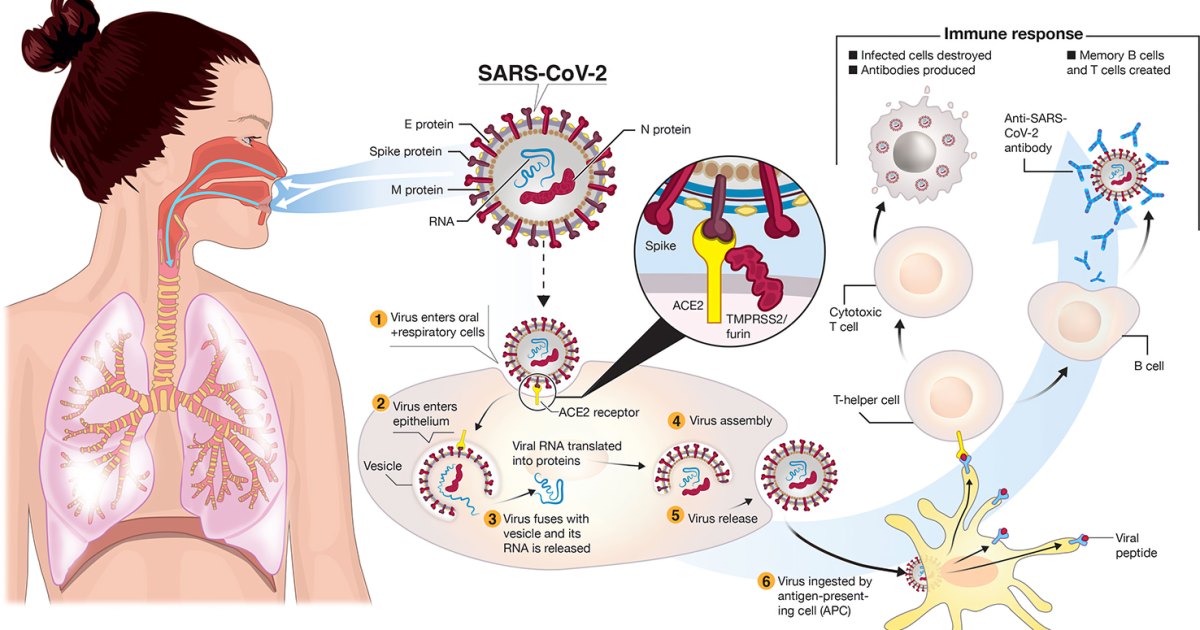
Public health monitoring systems have identified a new iteration of the virus responsible for Covid, designated as PJ.2.1. This particular variant has demonstrated the capacity for international transmission, moving beyond its initial detection point in Canada to establish a presence in multiple regions across the globe. Current data indicates that the variant is now circulating within the United States, as well as across various countries in Europe and Asia.
Global transmission patterns
The emergence of PJ.2.1 highlights the ongoing nature of viral evolution and the interconnectedness of modern travel networks. Health authorities have observed the movement of this variant as it transitions from North American territories into broader international markets. While the variant was first noted in Canada, the subsequent identification of cases in the United States, Europe, and Asia suggests that the strain possesses a notable degree of mobility. Epidemiologists are currently tracking these patterns to better understand how the variant navigates different populations and geographical landscapes.
Understanding the variant characteristics
As with previous iterations of the virus, the primary focus for health organizations is determining the specific characteristics of PJ.2.1. Scientific observation is directed toward how this variant interacts with existing immunity profiles and whether it exhibits changes in transmissibility compared to earlier strains. Because the variant is currently being tracked across diverse continents, researchers are pooling data to assess its behavior in varied environments. The global health community remains vigilant, emphasizing the importance of genomic surveillance to monitor how such variants adapt and spread through human populations.
Public health preparedness
The appearance of a new variant typically triggers a review of existing public health protocols. Authorities in the affected regions are evaluating current guidance to ensure that healthcare systems remain prepared for potential shifts in infection rates. While the global response to such developments is now well-established, the arrival of PJ.2.1 serves as a reminder of the necessity for continued monitoring. Health agencies continue to emphasize standard protective measures as they work to characterize the specific risks associated with this latest strain. The focus remains on gathering sufficient clinical data to inform future policy decisions and ensure that the public is adequately protected against emerging viral threats. As more information becomes available through ongoing studies, international health bodies will continue to provide updates regarding the trajectory of this variant.