SpaceX demonstrates continued innovation with successful Starship catch
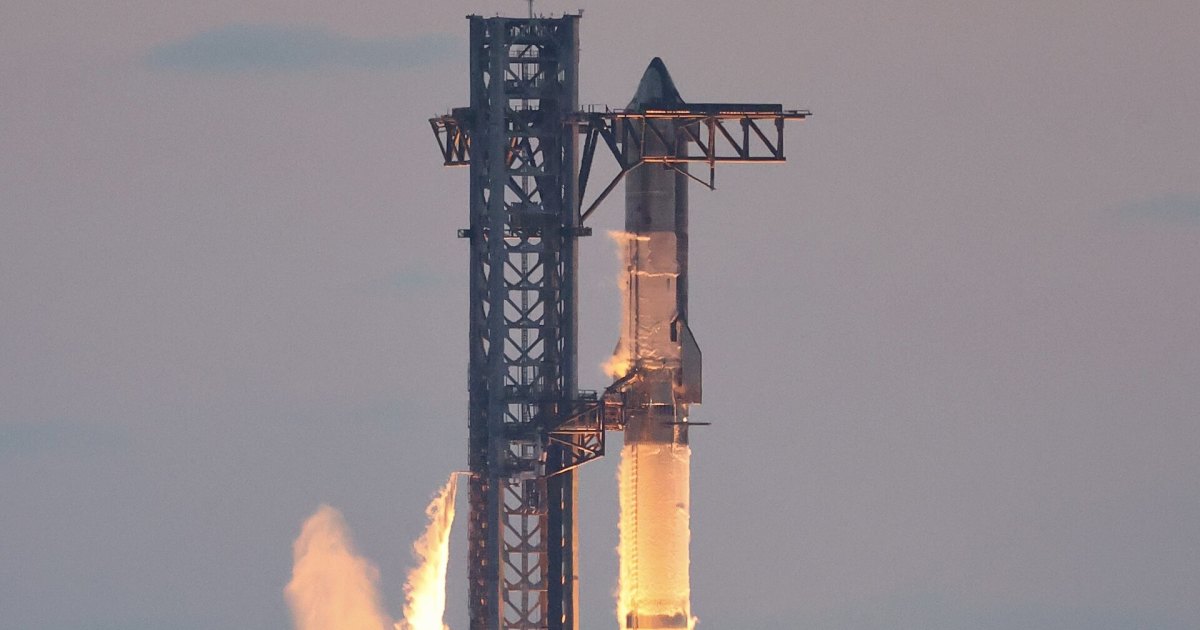
The recent successful catch of the Starship vehicle marks a pivotal moment in the trajectory of modern aerospace engineering. By executing this complex maneuver, the organization has once again captured global attention, demonstrating that its technical capabilities continue to evolve at a rapid pace. This event serves as a tangible indicator of the progress being made in the development of reusable launch systems, a core objective for the company as it seeks to transform the economics and logistics of space travel.
Advancing reusability through engineering precision
The ability to catch a massive launch vehicle mid-air represents a sophisticated leap in operational design. Such a feat requires extreme precision in guidance, navigation, and control systems, ensuring that the hardware can be recovered intact after returning from the edge of space. By focusing on the recovery of the booster stage, the engineering team aims to drastically reduce the turnaround time between missions. This approach is central to the broader strategy of creating a sustainable and frequent flight cadence, which is essential for future deep-space exploration missions. The successful execution of this catch provides empirical evidence that the underlying design philosophy is sound and capable of handling the immense stresses of atmospheric reentry and landing.
Global impact of aerospace innovation
Beyond the technical specifications, the achievement resonates with a global audience interested in the future of space flight. The spectacle of a large-scale rocket returning to its launch site and being secured by mechanical infrastructure underscores the company’s unique position in the industry. It serves as a reminder that ambitious goals, once considered improbable, are becoming standard practice through iterative testing and failure-tolerant development cycles. This visibility helps maintain public and industry interest in the potential for human activity beyond Earth, setting a high bar for competitors and partners alike who are also navigating the complexities of the space sector.
Future implications for space exploration
Looking ahead, the successful recovery of the vehicle paves the way for more ambitious testing phases. The data gathered during this mission will be instrumental in refining the flight software and structural integrity of future iterations of the platform. As the company prepares for subsequent flights, the focus will likely shift toward increasing the payload capacity and extending the duration of orbital missions. The ability to reliably recover and refurbish hardware is the cornerstone of the vision for long-term lunar and planetary exploration. By consistently proving its ability to perform these high-stakes maneuvers, the organization is effectively de-risking the path toward more complex missions, ensuring that the infrastructure for future exploration remains robust and reliable as the scope of operations expands to include more frequent and demanding flight profiles.