Russell Brand’s Instagram and Facebook accounts disabled following legal verdict
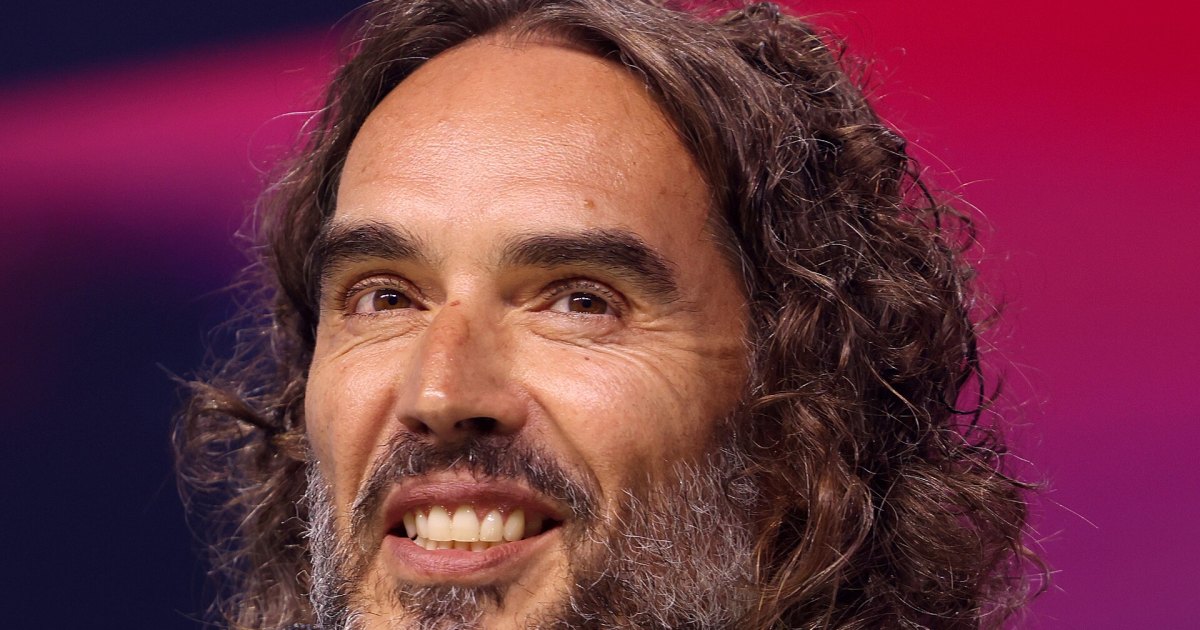
The digital footprint of Russell Brand has undergone a significant reduction after his primary social media channels were removed from major platforms. Both Instagram and Facebook have taken action to disable the accounts associated with the entertainer in the wake of a legal development that saw him found guilty of serious offenses.
Impact of the legal ruling on digital presence
The decision to deactivate these accounts follows a judicial process that concluded with a conviction for the entertainer. Platforms frequently maintain policies regarding the conduct of high-profile users, and the recent verdict has triggered a review of his continued access to these digital spaces. By removing the accounts, the service providers have effectively ended his ability to broadcast content or engage with followers through these specific channels. This move reflects a broader trend among technology companies to restrict the visibility of individuals who have been found guilty of severe crimes, particularly those involving violence or non-consensual acts.
Platform policies and account deactivation
Social media companies operate under strict terms of service that allow for the suspension or permanent removal of accounts if a user is convicted of significant criminal activity. The removal of these profiles serves as a measure to uphold community standards and mitigate the potential for further harm or controversy associated with the individual’s online presence. While the specific internal processes of these platforms are often proprietary, the timing of the deactivation suggests a direct correlation with the recent legal outcome. Followers and the general public have observed that the pages, which previously hosted a large volume of media and personal updates, are no longer accessible to the public.
Broader implications for public figures
The case highlights the growing intersection between legal accountability and digital accessibility. For public figures, the loss of social media platforms represents a substantial shift in how they communicate with their audience and maintain their public image. When legal systems deliver a conviction, the consequences often extend beyond traditional penalties, impacting the digital infrastructure that supports a person’s career and influence. As platforms continue to refine their safety guidelines, the removal of accounts belonging to those convicted of serious offenses is likely to remain a standard procedure. This development marks a definitive end to the entertainer’s ability to utilize these specific global networks for public engagement, signaling a permanent change in his capacity to reach a wide audience via these mediums. The situation remains a notable example of how major digital entities respond to the legal status of their most prominent users.