Cork City Council advises against proposed statue of mosquito linked to Cromwell
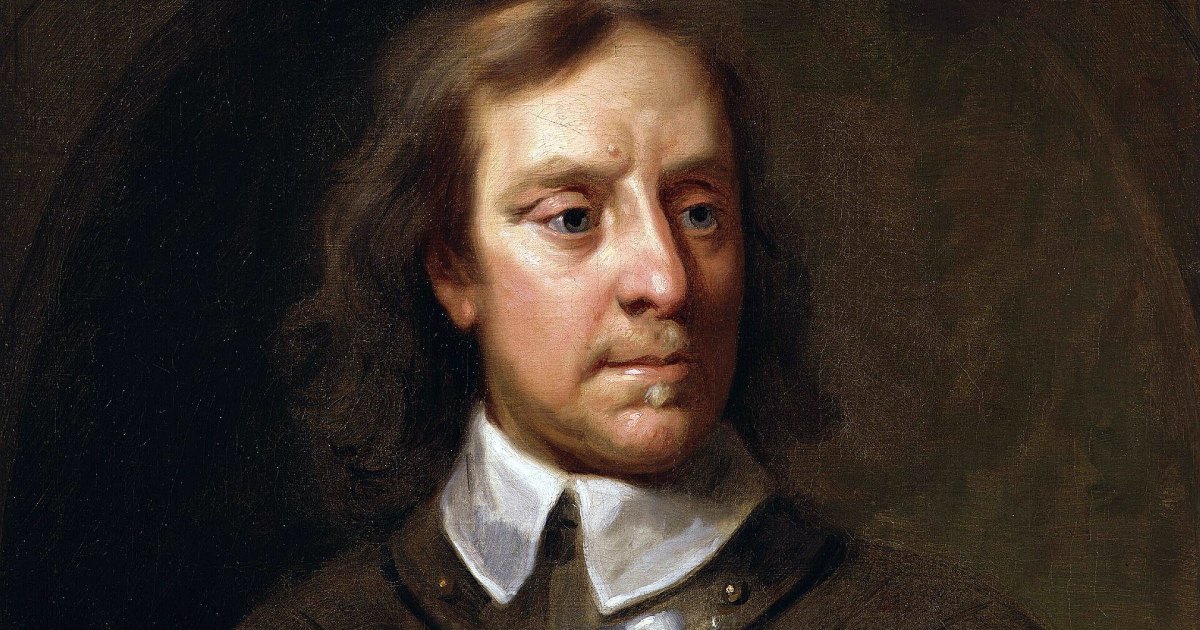
The proposal to install a commemorative statue in Cork has sparked a formal response from the local municipal government. The initiative, which centers on the historical narrative of a mosquito allegedly responsible for the death of Oliver Cromwell, has been met with caution by the city council. Officials are currently evaluating the implications of such a public art project, noting that the suggestion does not align with standard commemorative practices within the region.
Historical narrative and public perception
The core of the proposal rests on a long-standing, albeit unconventional, historical anecdote. The narrative suggests that a mosquito played a decisive role in the passing of the historical figure, a claim that has circulated in various forms for generations. While the story possesses a certain folkloric quality, the council has indicated that transforming such a legend into a permanent public monument requires careful consideration of historical accuracy and community impact. The local authority is tasked with ensuring that public spaces are utilized for installations that reflect the broader heritage and values of the city.
Administrative review of public art
Cork City Council maintains a structured process for the approval of new statues and public art pieces. This process involves assessing the artistic merit, the historical context, and the long-term maintenance requirements of any proposed structure. In this instance, the council has signaled that the proposal faces significant hurdles. The administrative body is concerned that the subject matter may not be suitable for a permanent public display, emphasizing that decisions regarding urban aesthetics and historical markers must be handled with a high degree of sensitivity and professional judgment.
Future of the proposal
As the discussion continues, the council has advised that the project is unlikely to proceed in its current form. The local government’s stance reflects a broader commitment to maintaining the dignity of public spaces while managing the influx of diverse, and sometimes unusual, commemorative requests. While the proposal has generated interest due to its unique premise, the council remains focused on its mandate to uphold the standards of the city’s built environment. Residents and stakeholders are encouraged to engage with official channels for future proposals that better align with the established criteria for public monuments. The council’s caution serves as a reminder that not all historical anecdotes, regardless of their cultural persistence, are deemed appropriate for formal public recognition through permanent statuary.