Tiny solar whirlpools may hold the secret to the Sun’s blistering corona
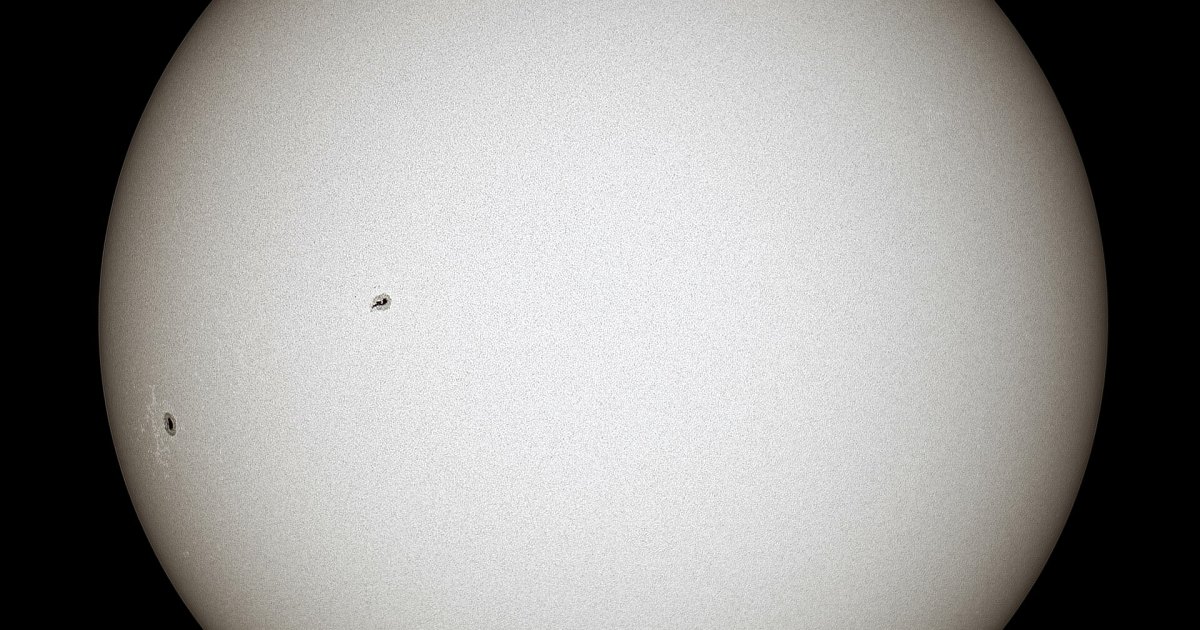
The outer atmosphere of the star at the center of our solar system has long presented a significant puzzle for astronomers. While the surface of the star remains hot, the corona—the outermost layer of its atmosphere—reaches temperatures that are exponentially higher, defying conventional expectations of how heat should dissipate with distance from a source. Recent scientific focus has shifted toward small-scale, swirling structures that may be responsible for this intense heating effect.
Mechanisms of solar heating
For decades, the scientific community has sought to identify the specific processes that drive the extreme thermal conditions found within the corona. Standard models of stellar physics suggest that energy should decrease as it moves outward from the core; however, observations consistently show a dramatic temperature spike in the upper reaches of the solar atmosphere. By examining the dynamics of the magnetic field and plasma interactions, experts are now looking at localized events that occur on a microscopic scale relative to the massive size of the star. These tiny whirlpools of energy are thought to act as conduits, transporting heat from lower layers into the corona through complex magnetic reconnections.
The role of miniature vortices
These solar whirlpools represent localized disturbances in the plasma that fills the atmosphere. As magnetic field lines twist and tangle, they create high-energy pockets that eventually snap and release their stored potential. This process generates a significant amount of heat, which is then dispersed into the surrounding environment. Because these vortices are numerous and constantly forming across the surface, their cumulative effect could be sufficient to maintain the blistering temperatures measured in the corona. The ability to observe these small-scale movements has improved significantly, allowing for a more detailed analysis of how plasma behaves under extreme magnetic stress.
Future implications for stellar research
Understanding these miniature vortices is essential for refining models of stellar behavior. If these swirling structures are indeed the primary drivers of coronal heating, it would resolve a long-standing discrepancy in solar physics. Furthermore, this knowledge could enhance our ability to predict space weather events that impact technology and communications infrastructure on our own planet. By isolating the specific energy signatures of these whirlpools, researchers hope to map out the flow of heat with greater precision. This ongoing investigation marks a shift toward analyzing the granular, dynamic nature of the solar surface to explain phenomena that span the entire reach of the star’s atmosphere. As data collection continues, the focus remains on how these fleeting, energetic events sustain such a vast and intense thermal environment over long periods.