Pete Rose receives posthumous pardon from Donald Trump
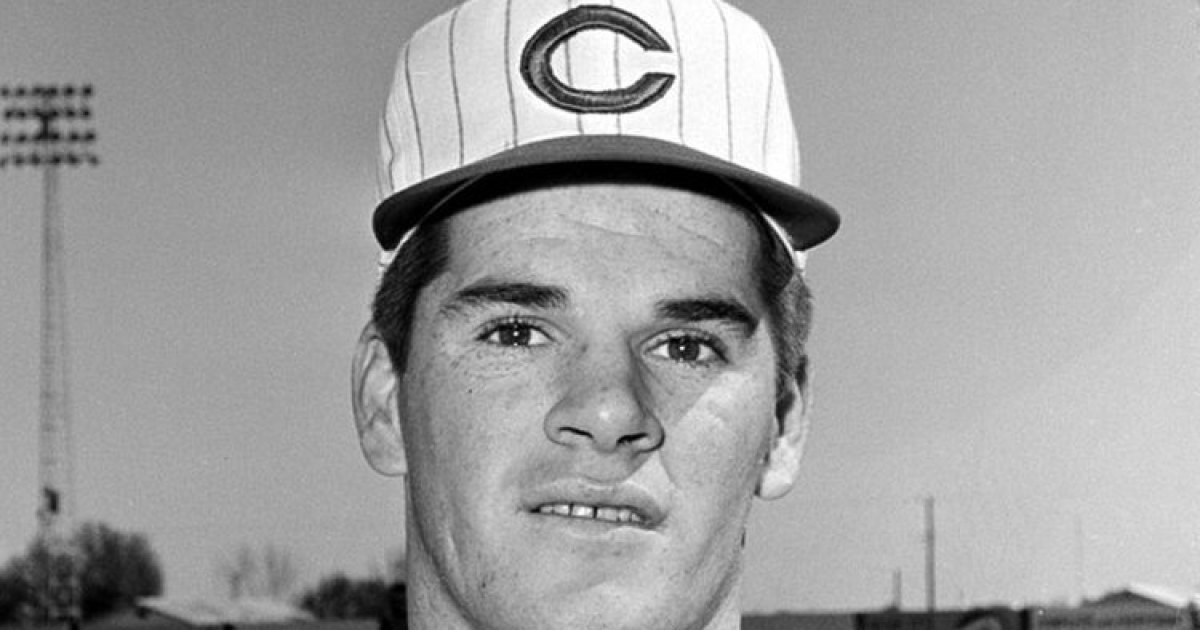
President Donald Trump announced on Thursday that he has granted a posthumous pardon to Pete Rose, the baseball player who recorded 4,256 career hits. The decision follows Rose’s death more than two years ago and arrives one year after Major League Baseball Commissioner Rob Manfred reinstated his eligibility for Hall of Fame consideration.
The pardon addresses a 1990 legal case in which Rose pleaded guilty to two counts of filing false tax returns. Rose admitted to failing to report $354,968 in income over a four-year period. On July 19, 1990, U.S. District Judge S. Arthur Spiegel sentenced Rose to five months in prison, a $50,000 fine, and 1,000 hours of community service. Rose served his prison term at the U.S. Penitentiary Marion Camp in Illinois, beginning in August 1990 and concluding in January 1991.
Eligibility for the Baseball Hall of Fame
The path to potential Hall of Fame induction was cleared in May of last year when Commissioner Manfred implemented a policy change regarding the league’s permanently ineligible list. This ruling restored the status of 17 individuals upon their death, including Rose and Shoeless Joe Jackson. Before this change, a 1991 board of directors rule prohibited anyone on the ineligible list from being considered for Hall of Fame election. Under current guidelines, the earliest Rose or Jackson could be inducted into the Hall of Fame is 2028.
Background on the career ban
Rose’s career in baseball was altered in August 1989 when he accepted a permanent ban from the sport. This decision followed an investigation by John M. Dowd, who concluded that Rose had placed multiple bets on the Cincinnati Reds while serving as both a player and manager for the team between 1985 and 1987. During his playing career, which spanned from 1963 to 1986, Rose earned 17 All-Star selections. He was named the National League Rookie of the Year in 1963, the league’s Most Valuable Player in 1973, and the World Series MVP in 1975. He surpassed the previous career hits record of 4,191, which had been held by Ty Cobb since 1928.
Legal and personal consequences
At the time of his 1990 sentencing, Judge Spiegel noted that Rose had admitted his guilt and accepted the legal consequences for his actions. Following his release from prison in January 1991, Rose spent time at the Talbert House to complete a probation period that included community service work with youths in Cincinnati. Throughout his career and the subsequent legal proceedings, Rose maintained a significant profile in professional sports, serving as a three-time National League batting champion before his eventual departure from the game. The pardon marks the latest development in the long-standing discussion regarding his legacy and his standing within the history of professional baseball.