Xi Jinping declares full reset in Australia-China ties
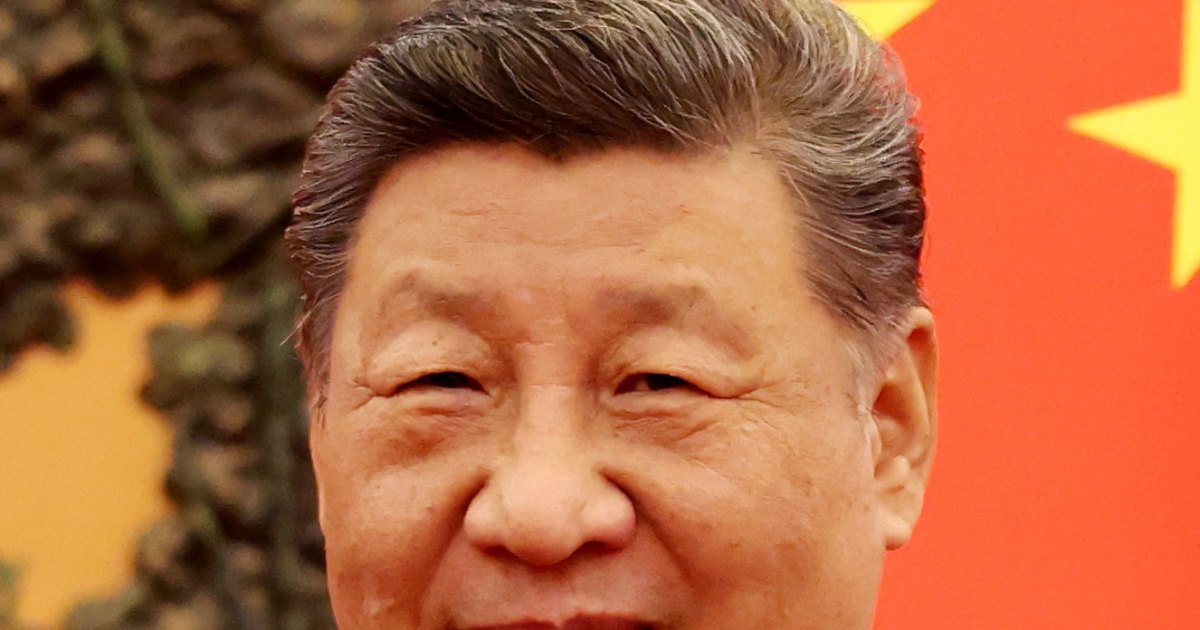
Chinese leader Xi Jinping and Australian Prime Minister Anthony Albanese met in Shenzhen on Friday to discuss the state of bilateral relations on the sidelines of the Apec summit. During the meeting at Kylin Villa, Xi stated that a “full turnaround” has been achieved in the relationship between the two nations, noting that cooperation across various sectors has deepened since Albanese took office in 2022.
The meeting follows a period of significant diplomatic strain that began under the previous Australian government. Relations deteriorated after Australia moved to exclude Chinese telecommunications firm Huawei from its 5G network rollout and called for an international investigation into the origins of the Covid-19 pandemic. In response, Beijing imposed approximately $20 billion in trade tariffs on key Australian exports, including wine, barley, beef, coal, lobsters, and timber. While many of these trade barriers have since been removed through diplomatic efforts, the Australian government continues to seek full market access for beef producers, who currently face 55% tariffs under a quota system.
Diplomatic priorities and regional security
The discussions in Shenzhen occurred at the conclusion of an 11-day diplomatic tour for Albanese, which included participation in the Asean and Apec summits, the Cop31 climate talks, and a meeting of the Quad leaders in Manila. During the bilateral talks, Albanese intended to address the federal government’s commitment to terminating the 99-year lease held by Chinese company Landbridge on the Port of Darwin, a pledge made prior to the 2025 election that is currently subject to international legal proceedings.
The prime minister also planned to discuss upcoming joint military exercises involving Australia, the United States, Japan, and India. Meanwhile, Chinese officials were expected to raise concerns regarding Australia’s cooperation with Washington on artificial intelligence and defense, as well as a new critical minerals agreement established with the administration of US President Donald Trump. Despite these complex security and strategic issues, both leaders emphasized the importance of maintaining a stable, positive relationship. Following the meeting with Xi, Albanese traveled to Beijing for formal discussions with Premier Li Qiang and an Australia-China business summit. The two sides reached agreements to establish a new dialogue on artificial intelligence safety and governance, and designated 2027 as the Australia-China Year of Tourism.
Historical context of the bilateral partnership
The China-Australia Comprehensive Strategic Partnership, which both leaders committed to advancing, has undergone a notable shift since the Labor government assumed power in 2022. Prior to the current stabilization efforts, the trade relationship was defined by the punitive tariffs introduced by Beijing. The recent meeting at Kylin Villa, a location that previously hosted high-level visits from international leaders including Donald Trump and Vladimir Putin, served as a symbolic venue for the dialogue. Xi characterized the current state of affairs as a result of shared efforts to seek common ground despite existing differences. Albanese noted that the relationship is no longer defined by these differences but by the capacity for clear and frank exchanges. As the diplomatic engagement concludes, the focus remains on navigating regional security interests while fostering economic stability and mutual trust.