Xi Jinping calls for global leadership in multipolar world
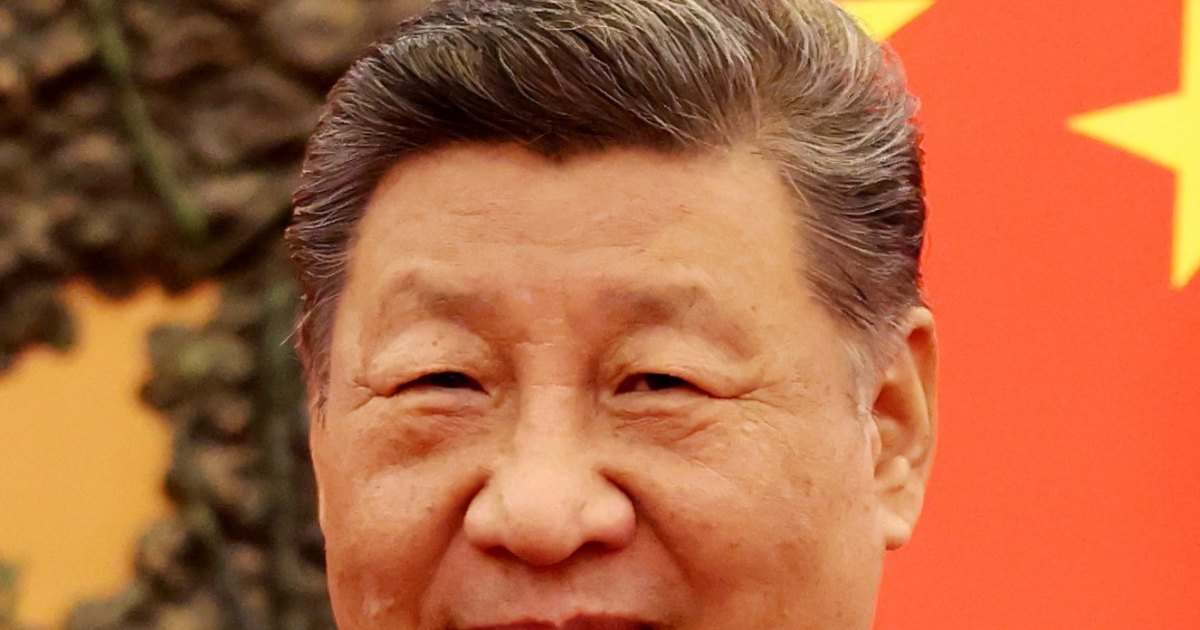
The recent Asia-Pacific Economic Cooperation (APEC) summit served as a platform for significant geopolitical discourse, as the Chinese leadership articulated a vision for the future of global governance. During the proceedings, the call was made for a more balanced international structure, moving away from singular dominance toward a system defined by multiple centers of influence. This perspective highlights a strategic shift in how major powers intend to engage with the global community in the coming years.
Advancing a multipolar vision
The core of the message delivered at the summit centered on the concept of multipolarity. By advocating for this model, the Chinese administration is signaling a desire to restructure the existing international order, which has historically been influenced by a narrower set of nations. The proposal suggests that global stability and progress can be better achieved when power is distributed among various regional and global actors. This approach is framed as a necessary evolution to reflect the changing realities of the twenty-first century, where economic and political weight is increasingly dispersed across different continents.
Strategic Cooperation in global affairs
A central component of this initiative involves the deepening of ties between major non-Western powers. The emphasis placed on the relationship between Beijing and its counterparts underscores a commitment to unified action on the world stage. By coordinating efforts, these nations aim to provide an alternative framework for international diplomacy and economic cooperation. The summit participants heard that this partnership is not merely about bilateral interests but is intended to set a broader agenda for how international institutions and multilateral forums should function in the future.
Implications for international governance
The push for a multipolar world carries significant weight for the future of global institutions. As these nations seek to lead this transition, the focus remains on enhancing the representation of diverse economies within the global system. This strategy is presented as a means to ensure that the voices of various regions are heard more clearly in decision-making processes that affect global trade, security, and development. The discourse at the APEC summit indicates that the pursuit of this new order will likely be a defining feature of international relations, as these actors continue to advocate for reforms that align with their vision of a more equitable and distributed global power structure. The long-term impact of this stance will depend on how effectively these nations can mobilize support from other global partners to reshape the current geopolitical landscape.