Old clips reveal history of misconduct by Russell Brand
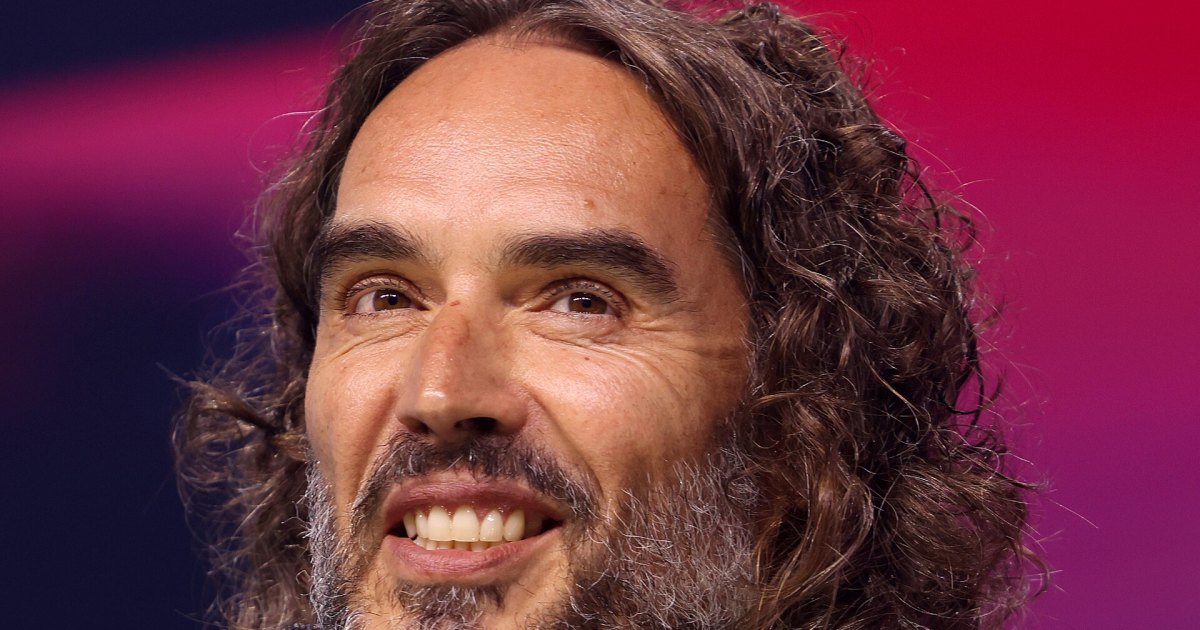
Following a London court’s decision to convict Russell Brand of rape and three counts of sexual assault, a collection of archival video clips has surfaced, documenting a long history of inappropriate behavior toward women in the entertainment industry. These recordings, which span several years during his rise to fame, illustrate a pattern of conduct that many female presenters and celebrities described as unsettling or predatory long before his legal downfall.
Early warnings from industry peers
The recent emergence of these clips has drawn renewed attention to public warnings issued by high-profile figures years ago. In 2006, Australian singer Dannii Minogue labeled Brand a “vile predator” after appearing on his MTV program, *1 Leicester Square*. Minogue recounted that during the interview, Brand made graphic, unrepeatable remarks and refused to respect boundaries. She noted at the time that he consistently pushed interactions beyond acceptable limits, leaving her visibly uncomfortable.
Similarly, British television presenter Vanessa Feltz expressed her disgust regarding a 2006 appearance on the same program. During the broadcast, Brand repeatedly asked to engage in sexual activity with Feltz or her teenage daughters. Feltz later described the encounter as chilling, noting that the comedian’s comments were not framed as a joke but rather as a genuine expression of his attitude toward women.
Patterns of harassment in media appearances
The resurfaced footage highlights several instances where Brand utilized his platform to make aggressive or sexually explicit comments toward guests. In an interview from the 2000s, US television personality Caprice Bourret was asked by Brand to remove her underwear while discussing her lingerie line. When she attempted to deflect the comment, Brand proceeded to simulate masturbation and spit on himself, telling Bourret not to be afraid of his sexuality.
In another instance, model Kelly Brook was subjected to inappropriate requests during an MTV segment. When Brook mentioned that her father was protective during her teenage years, Brand interrupted to ask her to send him photographs of herself from when she was 15 or 16 years old. Although Brook initially attempted to laugh off the exchange, she later advised other presenters to avoid contact with rock stars and specifically warned against interacting with Brand.
The culture of Complicity
The impact of Brand’s behavior extended to group settings where other male celebrities were present. During a 2007 appearance on the game show *Big Fat Quiz of the Year*, singer Lily Allen was subjected to jokes about rape made by Brand and fellow comedian Noel Fielding. While the host, Jonathan Ross, moved Allen to a different seating area to keep her away from the two men, the subsequent dialogue involved graphic references to sexual violence. Allen, who was the only woman on the panel, later reflected on the incident in 2023, describing the experience as horrendous and noting that the prevailing culture at the time made it difficult to speak out against such conduct.
Other instances of discomfort were documented through body language and non-verbal cues. During a 2014 appearance on *The Jonathan Ross Show*, actress Lindsay Lohan was observed leaning away from Brand, who had encroached on her personal space. Viewers noted that Lohan appeared visibly distressed as she pressed herself against the arm of the sofa, while Brand continued to make jokes about her past experiences in jail.
Legal context and future implications
Testimony provided during Brand’s four-week trial revealed that he viewed women as disposable objects, with a personal ambition to have sexual encounters with 5,000 different partners. A former associate testified that Brand referred to women as “just a hole” or a number to be added to his tally. These revelations have prompted a broader re-evaluation of his career and the industry environment that allowed such behavior to persist for decades. As the legal proceedings conclude, the focus has shifted to the long-term impact on the victims and the systemic issues that enabled his conduct to go unchecked for years.